Structural Steel Components for Global Infrastructure Projects
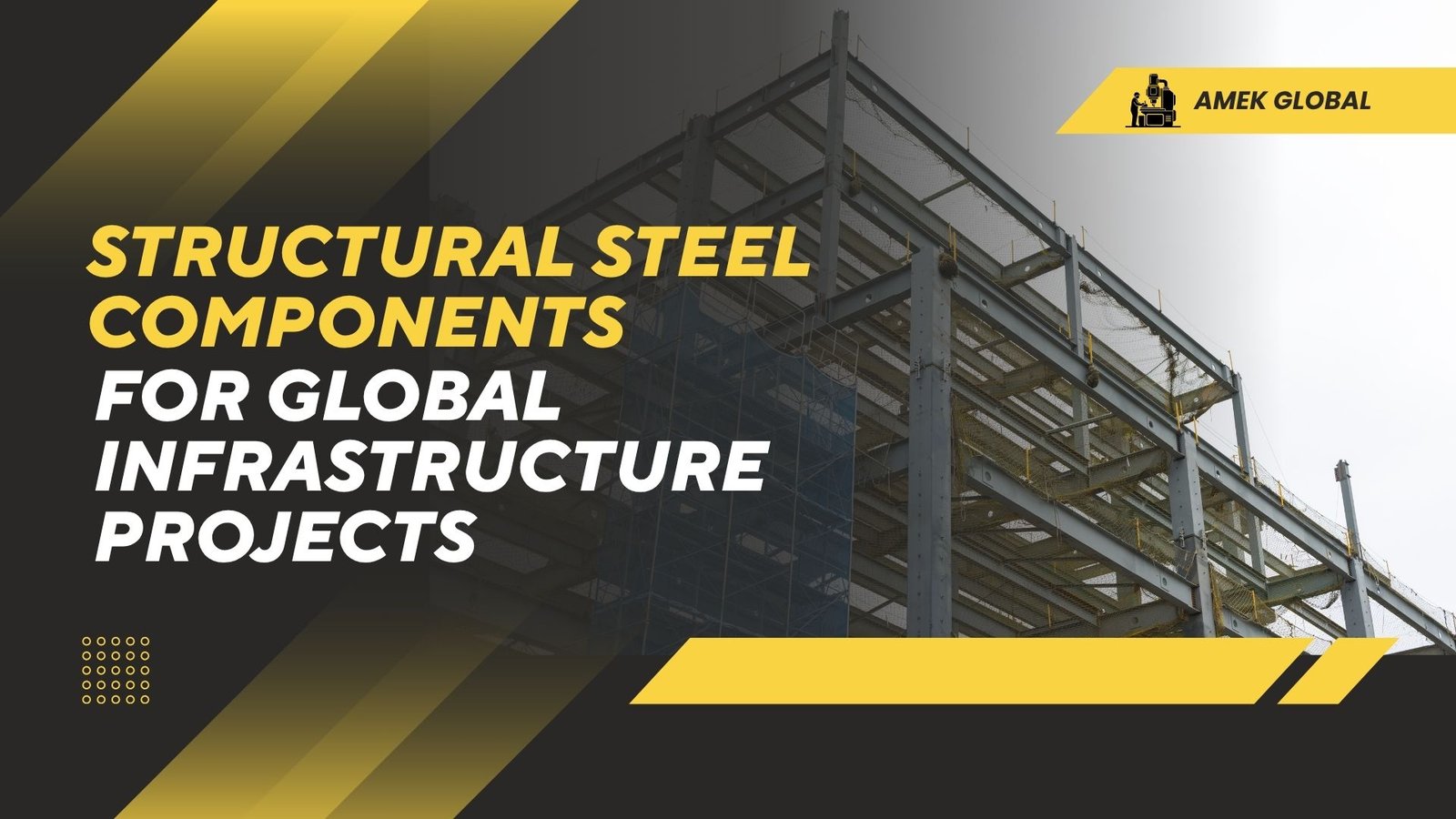
Structural steel components form the backbone of modern infrastructure, supporting everything from buildings and bridges to industrial plants and large-scale engineering projects. These components are designed to handle heavy loads, environmental stress, and long operational life, making their quality and precision critical.
As infrastructure development continues to grow across Australia, Canada, the United States, Europe, and South America, the demand for reliable structural steel components has increased significantly. Choosing the right supplier ensures strength, safety, and compliance with international standards.
Understanding Structural Steel Components
Structural steel components are fabricated or machined parts used to create load-bearing frameworks in construction and industrial applications. These components include beams, columns, plates, flanges, and custom-engineered parts designed to meet specific structural requirements.
Steel is widely used due to its high strength-to-weight ratio, flexibility, and ability to withstand both static and dynamic loads. Structural components are often customized based on project specifications to ensure optimal performance.
Importance in Infrastructure and Industrial Projects
Structural steel components play a critical role in ensuring the stability and longevity of infrastructure projects. They must perform reliably under heavy loads, environmental exposure, and long-term use.
Key benefits include:
- High load-bearing capacity
- Durability under extreme conditions
- Flexibility in design and fabrication
- Long service life with minimal maintenance
For large-scale projects, the quality of structural steel directly impacts safety and project success.
Manufacturing and Fabrication Processes
The production of structural steel components involves cutting, forming, machining, welding, and finishing processes. CNC machining is often used to achieve precise dimensions and ensure accurate fitment within structural assemblies.
Forging may be used for components requiring enhanced strength, while fabrication processes allow for customization based on design requirements. Advanced manufacturing techniques ensure consistency and efficiency across production.
Materials and ASTM Compliance
Structural steel components are typically manufactured using carbon steel and alloy steel grades selected based on load requirements and environmental conditions.
ASTM standards define the chemical composition and mechanical properties required for structural steel. Compliance ensures that components meet global performance and safety standards, making them suitable for international projects.
Quality Control and Inspection
Quality assurance is essential in structural steel manufacturing. Components must meet strict dimensional tolerances and material specifications to ensure structural integrity.
Manufacturers implement ISO-certified quality systems, including in-process inspections, dimensional verification, and material testing. Third-party inspections and certification provide additional assurance for global clients.
Applications Across Industries
Structural steel components are widely used in:
- Buildings and commercial infrastructure
- Bridges and transportation systems
- Mining and industrial facilities
- Power generation and energy projects
Their versatility and strength make them essential for both temporary and permanent structures.
Why Choose Amek Global
Amek Global supplies high-quality structural steel components for global infrastructure projects. With strong manufacturing capabilities, CNC machining expertise, and strict quality control systems, the company delivers ASTM-compliant solutions tailored to project requirements.
Serving clients across Australia, North America, Europe, and South America, Amek Global focuses on reliability, precision, and long-term partnerships.
Conclusion
Structural steel components are essential for building safe, durable, and efficient infrastructure. Their strength and adaptability make them a preferred choice for modern construction and industrial projects.
Choosing an experienced supplier ensures consistent quality, compliance, and long-term performance for global infrastructure developments.